Latest news and updates on World Environment Day 2026


04 Jun
2026
00:00 EAT
Flashmob turns New York City into limbo central
Members of the Kinesis Project dance theatre descended on Manhattan in celebration of World Environment Day. As crowds looked on, the performers danced and did the limbo on Broadway to the Alok song Deep Down. They were taking part in UNEP’s global limbo dance challenge, which is helping to raise awareness about the pressing to need lower global temperatures and curtail climate change.
04 Jun
2026
23:43 EAT
The countdown has begun!

We’re just a couple of hours away from the start of official World Environment Day celebrations in Baku. Azerbaijani President Ilham Aliyev and UNEP Executive Director Inger Andersen are both slated to speak at the event, which will be livestreamed on UN WebTV and UNEP’s YouTube channel.
Other official celebrations will take place in Nairobi, UNEP’s home base, and New York.
04 Jun
2026
23:41 EAT
How Azerbaijan is cracking down on one especially potent greenhouse gas
The country is home to several ageing, Soviet-era oil and gas facilities that are prone to leaks of methane, one of the driving forces behind climate change. But in 2024, Azerbaijan’s state petroleum company launched what its leaders describe as a high-tech effort to almost completely cancel out methane emissions within a decade. It’s a push that some outside observers say could set an encouraging example for other petrochemical-producing countries in Southern Europe and Central Asia.
04 Jun
2026
23:31 EAT
Why one of the world’s oldest oil producers is betting big on renewable energy
Petroleum has been flowing from the oil fields outside of Baku, Azerbaijan since at least 1847. Today hydrocarbons still underpin the country’s economy. But wind farms and solar arrays have begun popping up across this nation of 10 million, part of what officials say is a push to turn the country into a renewable energy powerhouse.
“You can drill as many wells as you want but sooner or later your production is going to go down,” says Hikmat Abdullayev, Deputy Vice President of the State Oil Company of the Azerbaijan Republic. “With renewables it’s not like that. As long as you clean your solar panels, they’re going to deliver.”
04 Jun
2026
22:12 EAT
How planting trees can help tame climate change
In this video, 2022 UNEP Champion of the Earth Constantino Aucca Chutas talks about how restoring ecosystems can help communities struggling with the fallout from climate change. Aucca Chutas has spent 30 years protecting forests across Latin America, planting millions of trees in the process.
“Restoration isn’t just about ecosystems,” he says. “It’s for our own survival.”
04 Jun
2026
21:02 EAT
Brussels kicks off celebrations with documentary screening

The United Nations and European Commission marked the start of World Environment Day with a screening of Eat More Trees at the historic Cinema Vendôme. The documentary explores how agroforestry – the practice of planting trees amid crops – can restore ecosystems, counter climate change and bolster food production.
During the event director Arne Focketyn, farmer Yanniek Schoonhoven and Astrid Schomaker, Executive Secretary of the Convention on Biological Diversity, discussed how integrating trees into agriculture can create “islands of hope” in world of deepening climate change.
04 Jun
2026
19:59 EAT
I’ve spent the last five years tracking methane releases. Here’s why.
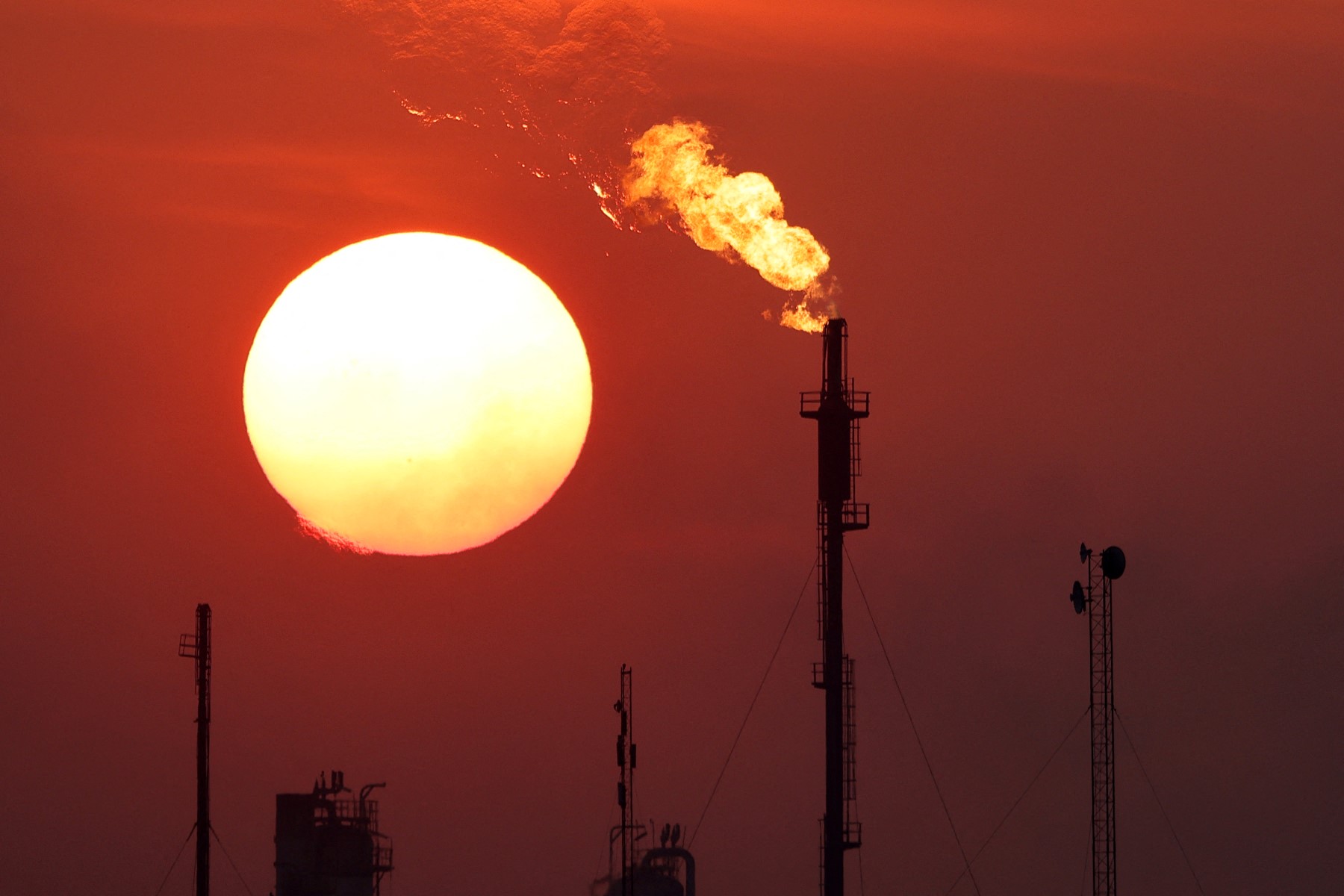
Methane is responsible for roughly one-third of global warming and it heats the planet 80 times faster than carbon dioxide over the short term. A paucity of data has long meant that countries could do little about methane emissions. But that is changing, writes UNEP’s Andreea Calcan.
04 Jun
2026
19:51 EAT
Beijing event celebrates World Environment Day
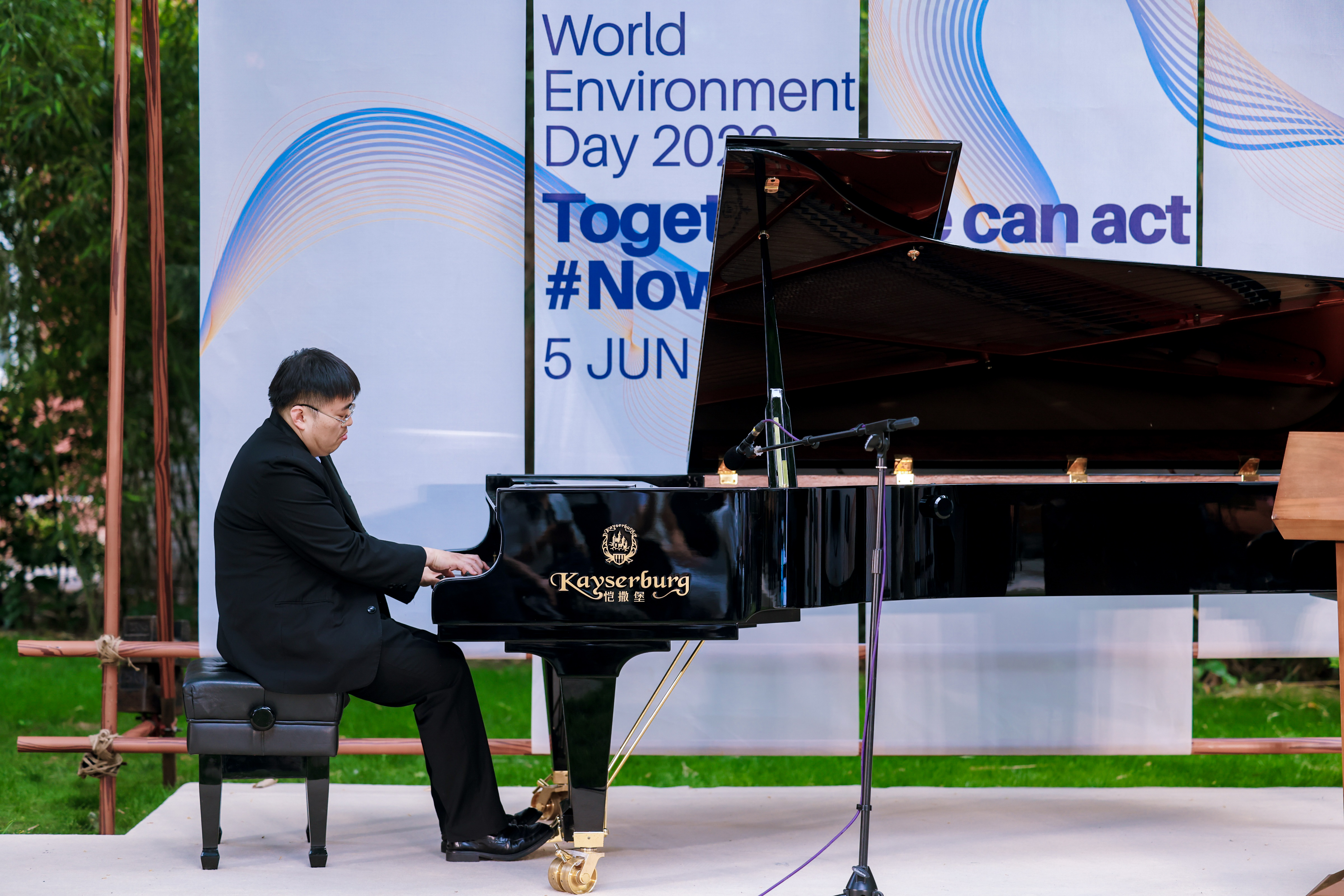
Climate action took centre stage in Beijing as UNEP’s China Office marked World Environment Day.
More than 150 participants from government, UN agencies, media, business, foundations, youth groups and civil society came together to send a clear signal: now is the time to act for climate. The event featured high-level remarks, a roundtable on China’s role in advancing climate action and public engagement, and a climate- and nature-themed youth choir concert that closed the day with a powerful call to act #NowForClimate.
04 Jun
2026
19:30 EAT
Explore how more than 50 cities are tackling extreme heat
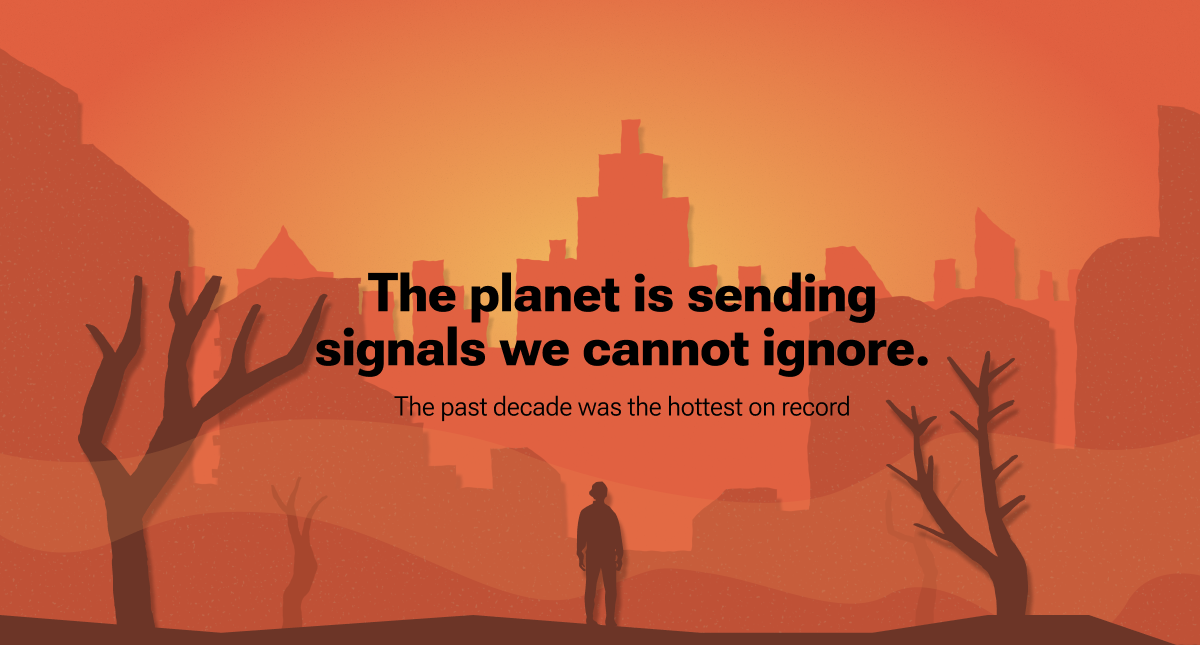
Under Beat the Heat, UNEP has launched 50@50, an interactive digital experience that shows how extreme heat is reshaping urban life, how rapidly risks are increasing, and the real solutions cities are already using to stay livable in a warming world.
From an interactive map to real-world examples, you can explore how cities are preparing for rising temperatures and discover practical ideas being applied around the world. Explore the interactive.
04 Jun
2026
16:25 EAT
Too hot to ignore
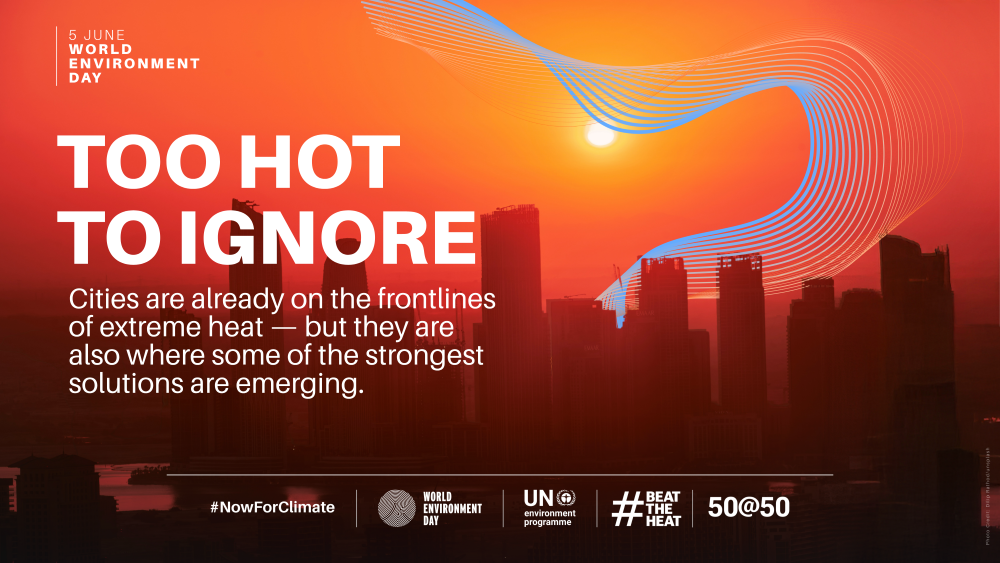
Extreme heat is no longer a future risk: it is already one of the deadliest climate threats facing cities, straining health systems, energy grids, water supplies, and local economies. Without urgent action, up to 1.6 billion urban residents could face extreme heat by 2050.
In the lead up to World Environment Day, 50@50 is bringing cities together to prepare before a crisis strikes. By sharing data, expertise, and practical solutions, cities can reduce emissions, strengthen heat resilience, and protect people from increasingly dangerous temperatures.
- 06 June 2026 World Environment Day 2026 unites millions around the world in a call for climate action
- 06 June 2026 Switzerland celebrates World Environment Day
- 06 June 2026 In Rennes, music took center stage for the planet
- 05 June 2026 Climate action highlighted at Nairobi's Village Market
- 05 June 2026 World Environment Day edit-athon kicks off in Chile
- 05 June 2026 Protecting frontline workers from extreme heat
- 05 June 2026 Rethinking urban resilience in a warming world
- 05 June 2026 Canada vows to safeguard natural spaces
- 05 June 2026 UNEP chief answers burning questions from youth
- 05 June 2026 Turning public spaces into climate action spaces
- 05 June 2026 In Africa, climate change brings both challenges and opportunities: UNEP's regional director
- 05 June 2026 Thailand gets down to mark World Environment Day
- 05 June 2026 We're calling it – the limbo is back!
- 05 June 2026 How to keep extreme heat in check
- 05 June 2026 Canada's biggest city charts climate progress
- 05 June 2026 Turning up awareness, turning down heat
- 05 June 2026 UNEP’s Head of Multimedia explains the inspiration behind the Climate Limbo campaign
- 05 June 2026 UNEP director co-authors TIME op-ed on the climate solution beneath our feet
- 05 June 2026 How low can you go?
- 05 June 2026 K-pop star Mark Lee joins the Climate Limbo challenge
- 05 June 2026 Maldives reaffirms commitment to ambitious climate action
- 05 June 2026 East African rap star Frida Amani visits restored rangeland for World Environment Day
- 05 June 2026 “Let us act not out of fear, but out of love” says actor Pierce Brosnan
- 05 June 2026 President of Azerbaijan highlights country’s contribution to raising environmental awareness
- 05 June 2026 UN Mission in South Sudan plants trees of hope for World Environment Day
- 05 June 2026 Nobel Prize honours World Environment Day through peace laureate Wangari Maathai
- 05 June 2026 Youth come together as drivers of change
- 05 June 2026 'We must act on climate change as though our lives depend on it': UNEP Executive Director
- 05 June 2026 Malawi launches critical environment assessment
- 05 June 2026 World Environment Day celebrated in Baku with culture, climate action and global voices
- 05 June 2026 The planet is sending us warnings signals. We should heed them: UN chief
- 05 June 2026 How teachers are transforming climate education
- 05 June 2026 Nairobi Wikipedia edit-a-thon boosts evidence-based content online
- 05 June 2026 India reaffirms commitment to environmental protection on World Environment Day
- 05 June 2026 Spanish Prime Minister reaffirms country’s commitment to “move faster” on climate change
- 05 June 2026 Climate action and gender equality are interdependent: UN Women
- 05 June 2026 NTV Kenya spotlights World Environment Day
- 05 June 2026 UN Chamber Music Society World Environment Day special
- 05 June 2026 Cooling and climate action
- 05 June 2026 In praise of environmental defenders mobilising for the planet
- 05 June 2026 Flashmob turns New York City into limbo central
- 04 June 2026 The countdown has begun!
- 04 June 2026 How Azerbaijan is cracking down on one especially potent greenhouse gas
- 04 June 2026 Why one of the world’s oldest oil producers is betting big on renewable energy
- 04 June 2026 How planting trees can help tame climate change
- 04 June 2026 Brussels kicks off celebrations with documentary screening
- 04 June 2026 I’ve spent the last five years tracking methane releases. Here’s why.
- 04 June 2026 Beijing event celebrates World Environment Day
- 04 June 2026 Explore how more than 50 cities are tackling extreme heat
- 04 June 2026 Too hot to ignore
- 04 June 2026 Air pollution photo contest launches alongside World Environment Day
- 04 June 2026 Some of the last truly wild horses arrive back to their native Kazakh steppe habitat to improve climate resilience
- 04 June 2026 Supermodel Amber Valletta does the Climate Limbo with her family
- 04 June 2026 “Go and make your voice heard,” urges UNEP Director of Communication on Azerbaijani prime time news
- 04 June 2026 New AI-animated music initiative launches for World Environment Day
- 04 June 2026 Goodwill Ambassador Antoinette Tuas and brother Tom Taus limbo for the climate
- 04 June 2026 Celebrate World Environment Day with new GIPHY stickers
- 04 June 2026 Beijing Metro marks World Environment Day with exhibition
- 03 June 2026 Happy dance
- 03 June 2026 Understanding the hidden costs of climate change
- 03 June 2026 Countries unite to strengthen climate resilience in the world’s seas
- 03 June 2026 New report highlights five reasons for hope in the climate fight
- 03 June 2026 Jason Momoa speaks to the power of movement for World Environment Day
- 03 June 2026 I live in India where 45°C days are the new normal. They may be coming your way soon.
- 03 June 2026 From signals to action: World Environment Day playlist
- 03 June 2026 The key to countering super pollutants
- 02 June 2026 The great herbivores of the Caucasus stage a comeback
- 02 June 2026 50 Cities for climate action: avoiding and adapting to a 50°C world
- 01 June 2026 When it comes to climate change, is the news really all bad?
- 01 June 2026 In African cities, the bicycle is getting a lane of its own
- 01 June 2026 UNEP names DJ Alok as Goodwill Ambassador ahead of World Environment Day
- 01 June 2026 This is the moment to act, says UN Secretary-General
- 30 May 2026 The UN General Assembly recently backed a landmark court opinion on climate change. Here’s why that’s important.
- 29 May 2026 Republic of Serbia to host World Environment Day 2027
- 29 May 2026 The climate crisis explained in seven graphs
- 29 May 2026 Special screening: Eat More Trees
- 28 May 2026 Could this self-cooling mosque be the future of construction in a warming world?
- 27 May 2026 Foundation for Environmental Education joins climate dance challenge
- 26 May 2026 Special edition of the UNEP newsletter
- 25 May 2026 How low can we go?
- 25 May 2026 NRJ drives momentum for climate action with NRJ Green Live in Rennes
- 21 May 2026 Climate solutions begin with you
- 19 May 2026 The world's fastest-growing coastal city is bracing itself for climate change
- 08 May 2026 Eight simple ways you can fight climate change today
- 28 April 2026 Join the climate dance challenge
- 22 April 2026 UN Secretary‑General’s Message | Earth Day 2026
- 22 April 2026 Happy Earth Day!
- 23 March 2026 Sign up for World Environment Day updates
- 04 March 2026 Register your event or activity for World Environment Day 2026
- 28 August 2025 World Environment Day 2025 Global Report
- 27 June 2024 Republic of Azerbaijan to host World Environment Day 2026