Latest news and updates on World Environment Day 2026


03 Jun
2026
18:56 EAT
Countries unite to strengthen climate resilience in the world’s seas
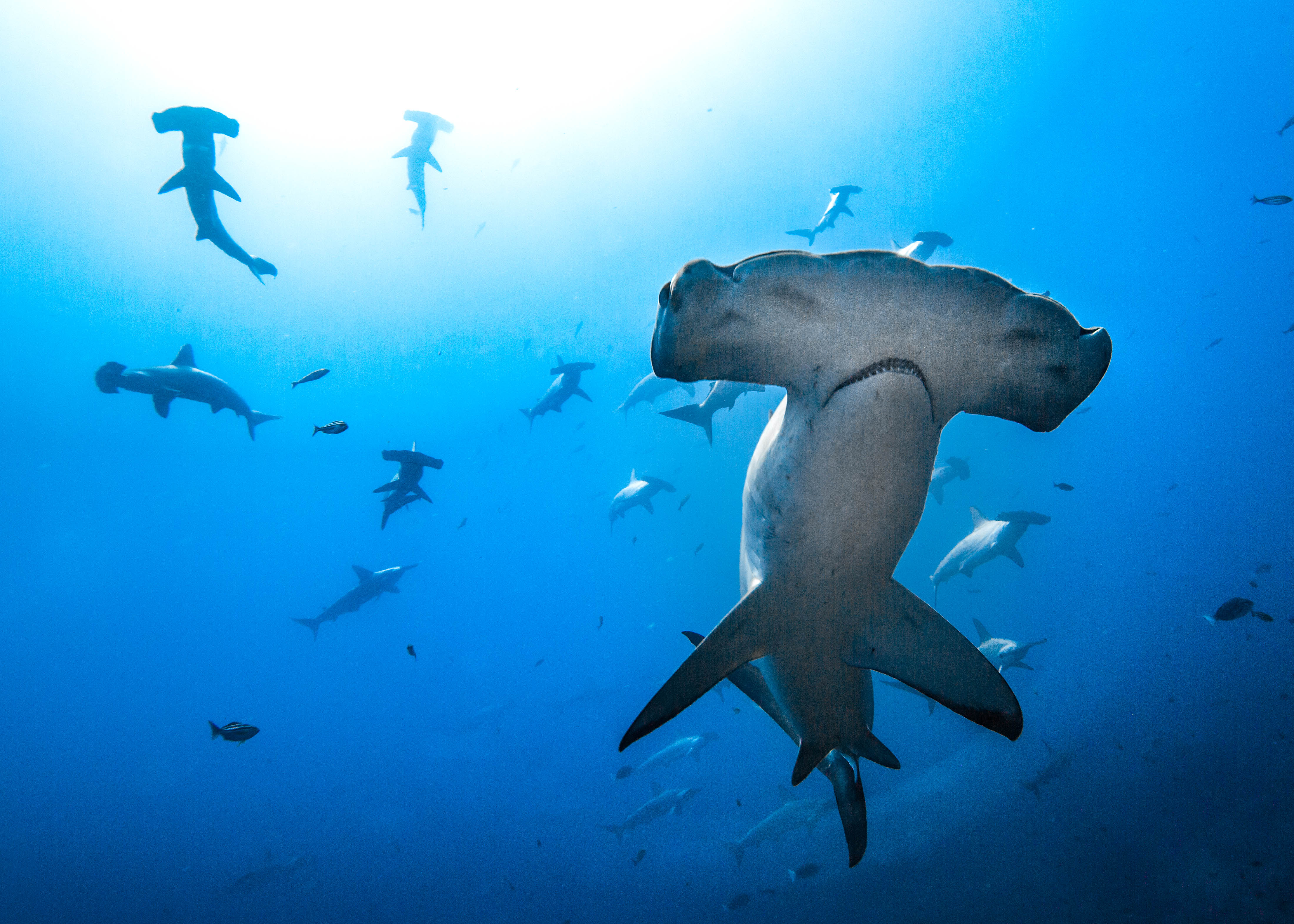
The ocean and the organisms that call it home are under mounting pressure from climate change. Coastal nations around the world have recognized this and are working together to protect undersea life while enhancing the ability of marine ecosystems to store planet-warming carbon, which is vital for keeping climate change at bay.
Explore what countries are doing in this interactive story map.
03 Jun
2026
18:35 EAT
New report highlights five reasons for hope in the climate fight

Several climate-friendly technologies – like renewable energy – may be approaching tipping points in which they become mainstream, finds a new report from UNEP. These transitions could allow humanity to break free of fossil fuels in some sectors and make a meaningful dent in the greenhouse gas emissions that are driving global warming.
03 Jun
2026
14:37 EAT
Jason Momoa speaks to the power of movement for World Environment Day

For World Environment Day, UNEP Advocate for Life Below Water Jason Momoa shared a video message on the power of movement and individual voice to create change, and our inherited responsibility to respond to the Earth's signals of change. Watch the full video here.
03 Jun
2026
13:55 EAT
I live in India where 45°C days are the new normal. They may be coming your way soon.
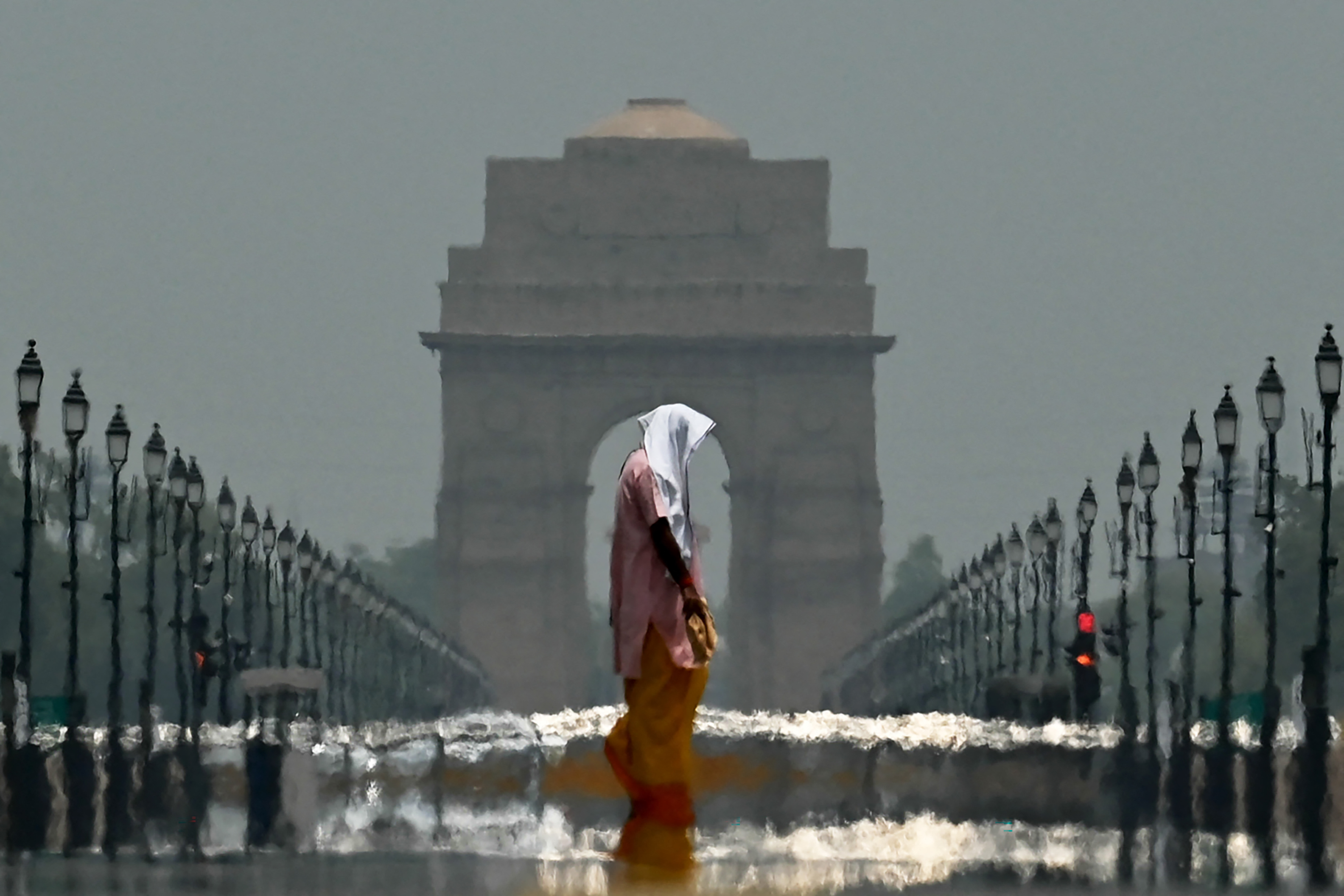
Balakrishna Pisupati, Head of UNEP’s India office, writes about how extreme heat is making some cities unlivable and how municipalities can lower indoor temperatures without resorting to air conditioning, which enflames the climate crisis.
03 Jun
2026
11:24 EAT
From signals to action: World Environment Day playlist

This year’s World Environment Day focuses on responding to the Earth’s urgent signals. Fuel your commitment with this curated Spotify playlist, featuring everything from immersive nature soundscapes to powerful anthems of resilience. It’s the perfect soundtrack to turn inspiration into action.
03 Jun
2026
06:50 EAT
The key to countering super pollutants

These substances – including methane and black carbon – not only sully the air. They are also responsible for roughly half of the warming we are experiencing today. In a recently released blog, UNEP's Martina Otto explores how the world can tame super pollutants and in the process, kickstart the battle against climate change.
02 Jun
2026
15:56 EAT
The great herbivores of the Caucasus stage a comeback

In Azerbaijan’s Shahdagh National Park, the once-extinct Caucasian bison is making a triumphant comeback. After disappearing from the wild in 1927, these ecosystem engineers are being carefully reintroduced to stabilize mountain grasslands and boost biodiversity. By grazing and distributing seeds through their waste, these shaggy giants, alongside recovering populations of goitered gazelles, are restoring vital food chains. This ambitious rewilding initiative serves as a powerful model for climate action, demonstrating how healing nature helps protect our planet's future.
02 Jun
2026
10:59 EAT
50 Cities for climate action: avoiding and adapting to a 50°C world

UNEP today announced the 50@50 activation, a global initiative uniting over 50 cities to combat the deadly threat of extreme heat. From Lagos to Paris, these urban centres are collaborating to share practical, people-centred solutions like expanding green spaces, installing cooling centres, and improving urban design.
Running through World Environment Day 2026 and beyond, 50@50 brings together a community of cities committed to urban heat resilience, shifting from coping to redesign through peer-to-peer learning to deliver for their citizens’ wellbeing before heat emergencies strike.
01 Jun
2026
21:09 EAT
When it comes to climate change, is the news really all bad?

The climate crisis is deepening by the day. But Andrea Hinwood, UNEP’s Chief Scientist, and Katharine Hayhoe, a renowned climate researcher, see signs of hope in things like the rapid advance of renewable energy. In the conversation below, they discuss how humanity can still “fix” the climate system and avoid catastrophe.
01 Jun
2026
20:51 EAT
In African cities, the bicycle is getting a lane of its own
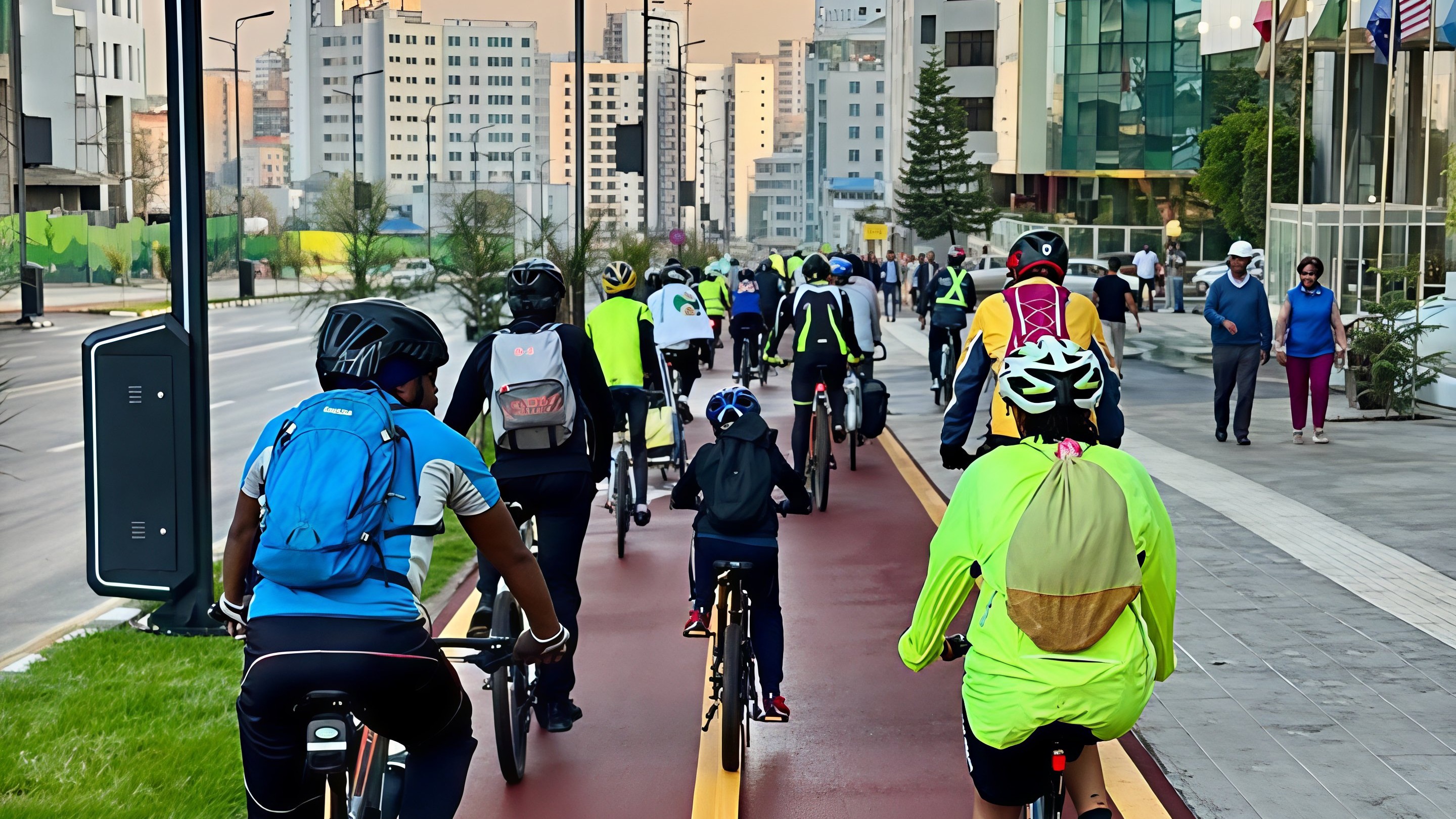
Addis Ababa, pictured above, is one of a growing number of African metropolises that are striving to make themselves more bike friendly. The shift is designed to ease gridlock, counter climate change and make the continent’s notoriously dangerous roads safer.
- 06 June 2026 World Environment Day 2026 unites millions around the world in a call for climate action
- 06 June 2026 Switzerland celebrates World Environment Day
- 06 June 2026 In Rennes, music took center stage for the planet
- 05 June 2026 Climate action highlighted at Nairobi's Village Market
- 05 June 2026 World Environment Day edit-athon kicks off in Chile
- 05 June 2026 Protecting frontline workers from extreme heat
- 05 June 2026 Rethinking urban resilience in a warming world
- 05 June 2026 Canada vows to safeguard natural spaces
- 05 June 2026 UNEP chief answers burning questions from youth
- 05 June 2026 Turning public spaces into climate action spaces
- 05 June 2026 In Africa, climate change brings both challenges and opportunities: UNEP's regional director
- 05 June 2026 Thailand gets down to mark World Environment Day
- 05 June 2026 We're calling it – the limbo is back!
- 05 June 2026 How to keep extreme heat in check
- 05 June 2026 Canada's biggest city charts climate progress
- 05 June 2026 Turning up awareness, turning down heat
- 05 June 2026 UNEP’s Head of Multimedia explains the inspiration behind the Climate Limbo campaign
- 05 June 2026 UNEP director co-authors TIME op-ed on the climate solution beneath our feet
- 05 June 2026 How low can you go?
- 05 June 2026 K-pop star Mark Lee joins the Climate Limbo challenge
- 05 June 2026 Maldives reaffirms commitment to ambitious climate action
- 05 June 2026 East African rap star Frida Amani visits restored rangeland for World Environment Day
- 05 June 2026 “Let us act not out of fear, but out of love” says actor Pierce Brosnan
- 05 June 2026 President of Azerbaijan highlights country’s contribution to raising environmental awareness
- 05 June 2026 UN Mission in South Sudan plants trees of hope for World Environment Day
- 05 June 2026 Nobel Prize honours World Environment Day through peace laureate Wangari Maathai
- 05 June 2026 Youth come together as drivers of change
- 05 June 2026 'We must act on climate change as though our lives depend on it': UNEP Executive Director
- 05 June 2026 Malawi launches critical environment assessment
- 05 June 2026 World Environment Day celebrated in Baku with culture, climate action and global voices
- 05 June 2026 The planet is sending us warnings signals. We should heed them: UN chief
- 05 June 2026 How teachers are transforming climate education
- 05 June 2026 Nairobi Wikipedia edit-a-thon boosts evidence-based content online
- 05 June 2026 India reaffirms commitment to environmental protection on World Environment Day
- 05 June 2026 Spanish Prime Minister reaffirms country’s commitment to “move faster” on climate change
- 05 June 2026 Climate action and gender equality are interdependent: UN Women
- 05 June 2026 NTV Kenya spotlights World Environment Day
- 05 June 2026 UN Chamber Music Society World Environment Day special
- 05 June 2026 Cooling and climate action
- 05 June 2026 In praise of environmental defenders mobilising for the planet
- 05 June 2026 Flashmob turns New York City into limbo central
- 04 June 2026 The countdown has begun!
- 04 June 2026 How Azerbaijan is cracking down on one especially potent greenhouse gas
- 04 June 2026 Why one of the world’s oldest oil producers is betting big on renewable energy
- 04 June 2026 How planting trees can help tame climate change
- 04 June 2026 Brussels kicks off celebrations with documentary screening
- 04 June 2026 I’ve spent the last five years tracking methane releases. Here’s why.
- 04 June 2026 Beijing event celebrates World Environment Day
- 04 June 2026 Explore how more than 50 cities are tackling extreme heat
- 04 June 2026 Too hot to ignore
- 04 June 2026 Air pollution photo contest launches alongside World Environment Day
- 04 June 2026 Some of the last truly wild horses arrive back to their native Kazakh steppe habitat to improve climate resilience
- 04 June 2026 Supermodel Amber Valletta does the Climate Limbo with her family
- 04 June 2026 “Go and make your voice heard,” urges UNEP Director of Communication on Azerbaijani prime time news
- 04 June 2026 New AI-animated music initiative launches for World Environment Day
- 04 June 2026 Goodwill Ambassador Antoinette Tuas and brother Tom Taus limbo for the climate
- 04 June 2026 Celebrate World Environment Day with new GIPHY stickers
- 04 June 2026 Beijing Metro marks World Environment Day with exhibition
- 03 June 2026 Happy dance
- 03 June 2026 Understanding the hidden costs of climate change
- 03 June 2026 Countries unite to strengthen climate resilience in the world’s seas
- 03 June 2026 New report highlights five reasons for hope in the climate fight
- 03 June 2026 Jason Momoa speaks to the power of movement for World Environment Day
- 03 June 2026 I live in India where 45°C days are the new normal. They may be coming your way soon.
- 03 June 2026 From signals to action: World Environment Day playlist
- 03 June 2026 The key to countering super pollutants
- 02 June 2026 The great herbivores of the Caucasus stage a comeback
- 02 June 2026 50 Cities for climate action: avoiding and adapting to a 50°C world
- 01 June 2026 When it comes to climate change, is the news really all bad?
- 01 June 2026 In African cities, the bicycle is getting a lane of its own
- 01 June 2026 UNEP names DJ Alok as Goodwill Ambassador ahead of World Environment Day
- 01 June 2026 This is the moment to act, says UN Secretary-General
- 30 May 2026 The UN General Assembly recently backed a landmark court opinion on climate change. Here’s why that’s important.
- 29 May 2026 Republic of Serbia to host World Environment Day 2027
- 29 May 2026 The climate crisis explained in seven graphs
- 29 May 2026 Special screening: Eat More Trees
- 28 May 2026 Could this self-cooling mosque be the future of construction in a warming world?
- 27 May 2026 Foundation for Environmental Education joins climate dance challenge
- 26 May 2026 Special edition of the UNEP newsletter
- 25 May 2026 How low can we go?
- 25 May 2026 NRJ drives momentum for climate action with NRJ Green Live in Rennes
- 21 May 2026 Climate solutions begin with you
- 19 May 2026 The world's fastest-growing coastal city is bracing itself for climate change
- 08 May 2026 Eight simple ways you can fight climate change today
- 28 April 2026 Join the climate dance challenge
- 22 April 2026 UN Secretary‑General’s Message | Earth Day 2026
- 22 April 2026 Happy Earth Day!
- 23 March 2026 Sign up for World Environment Day updates
- 04 March 2026 Register your event or activity for World Environment Day 2026
- 28 August 2025 World Environment Day 2025 Global Report
- 27 June 2024 Republic of Azerbaijan to host World Environment Day 2026